Those who lit the path

The reformers who shape our conscience.

ABGN-UK draws inspiration from a lineage of Indian visionaries, from the great Buddhist emperor Samrat Ashoka to the people's poet Anna Bhau Sathe, each one a beacon of justice, dignity and self-respect across more than two thousand years.

Listed chronologically · By year of birth

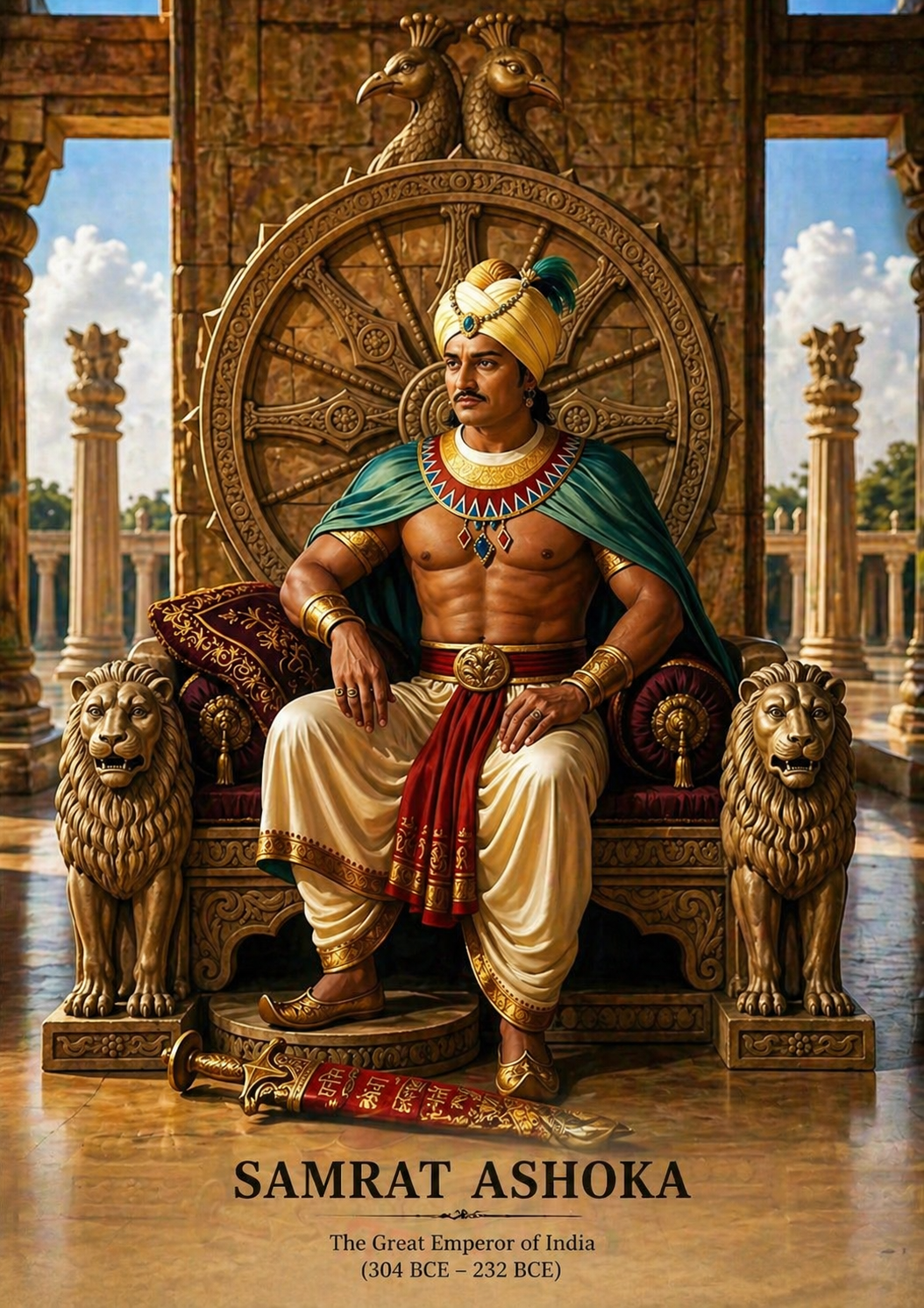
Samrat Ashoka
1304 BCE — 232 BCE

The Great Emperor of India

Samrat Ashoka

Mauryan Emperor · First Royal Patron of Buddhism · Ruler of Dhamma

"All men are my children. As I desire for my own children that they may obtain welfare and happiness, so do I desire it for all men."

Samrat Ashoka, the third emperor of the Maurya dynasty, ruled most of the Indian subcontinent in the 3rd century BCE. After the bloody Kalinga war he renounced violence and embraced the Buddha Dhamma, a moment that changed the moral compass of an empire.

He spread the Buddha's teachings across Asia, established hospitals, planted trees on highways, dug wells, and inscribed his Dhamma edicts on rocks and pillars. The Ashoka Chakra at the centre of the Indian flag, and the Lion Capital that is India's national emblem, both come from him. For Ambedkarites, Samrat Ashoka represents the highest ideal of governance rooted in Dhamma.
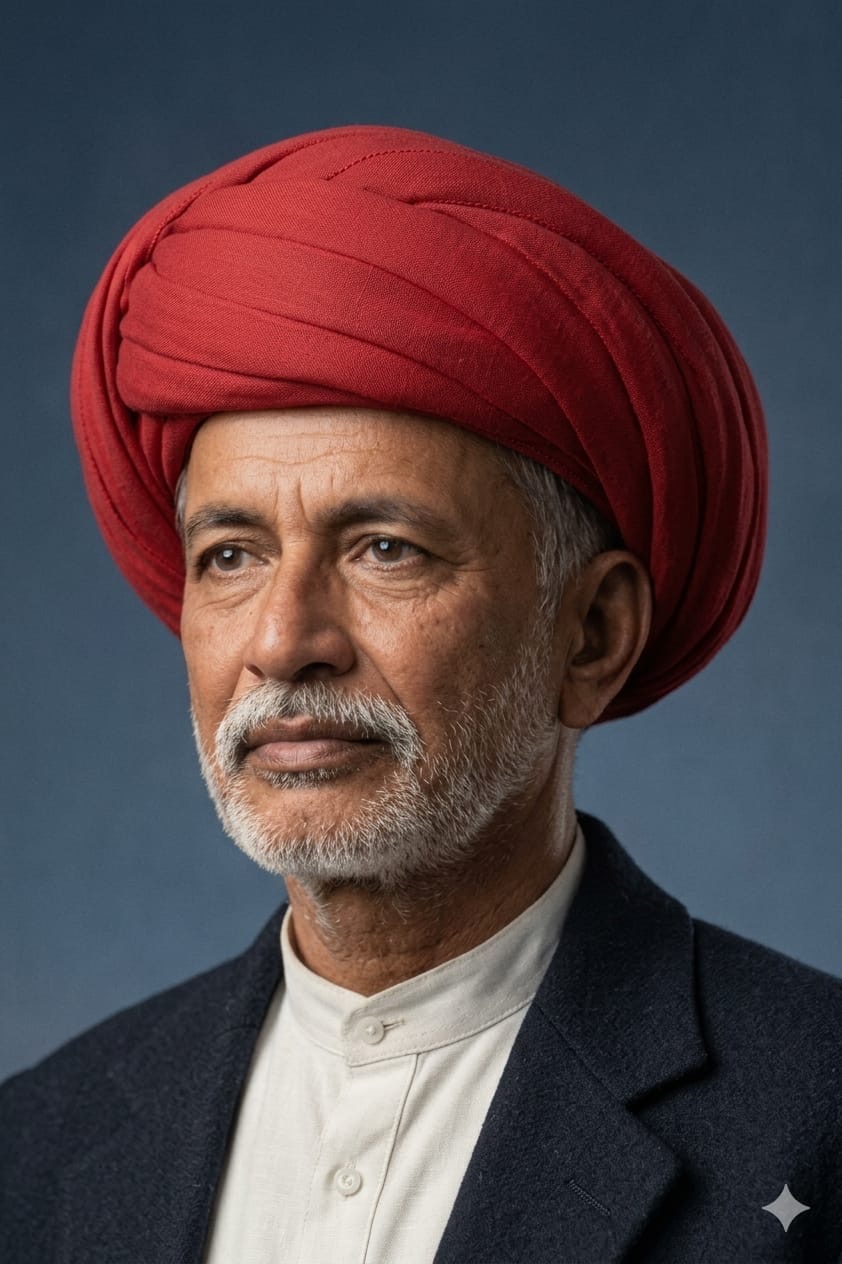
Chhatrapati Shivaji Maharaj
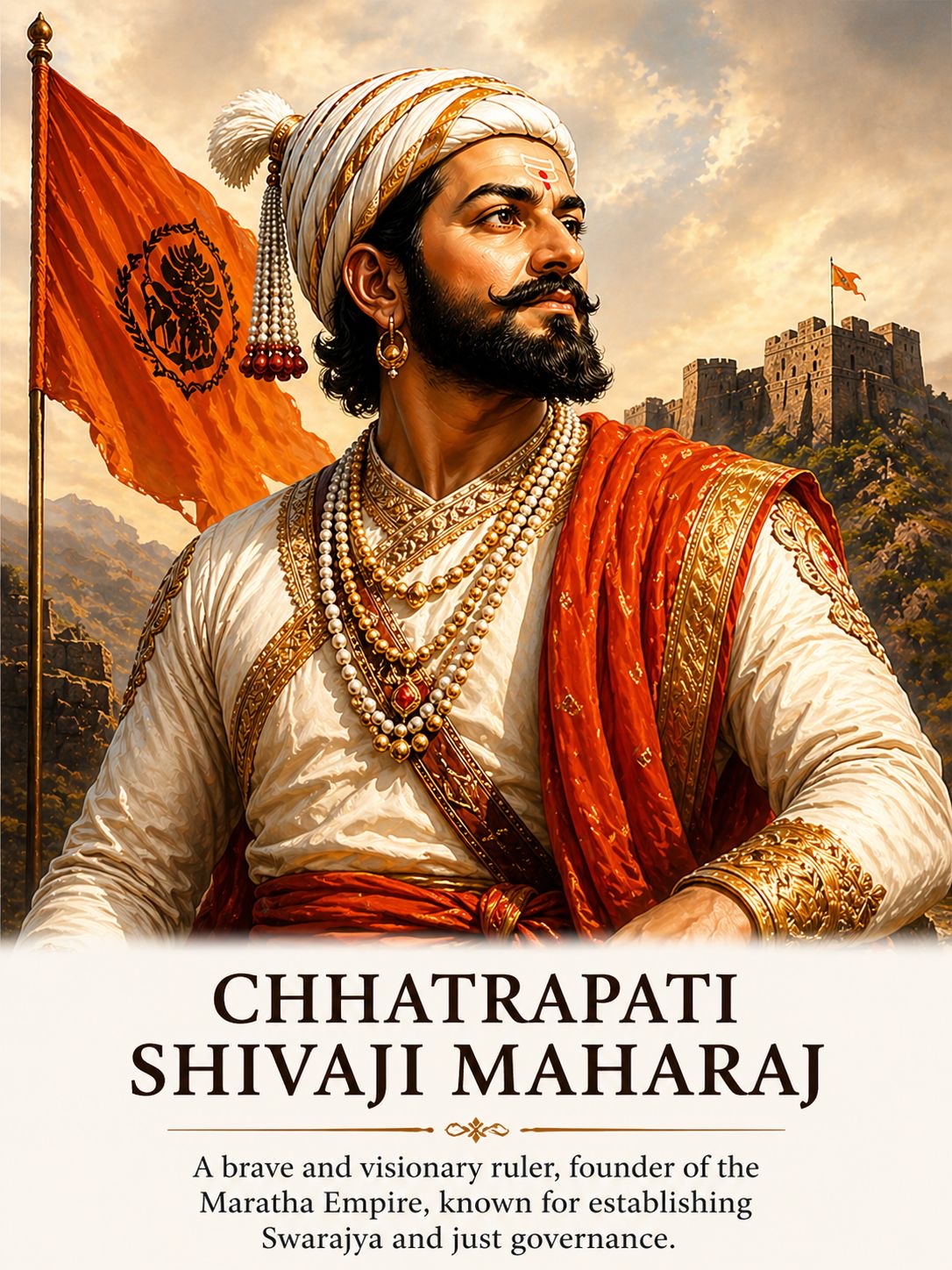
219 February 1630 — 3 April 1680

Founder of Swarajya

Chhatrapati Shivaji Maharaj

Founder of the Maratha Empire · Visionary Ruler of Just Governance

"Swarajya is my birthright, and I shall have it, through just rule and courage."

A brave and visionary ruler, Chhatrapati Shivaji Maharaj founded the Maratha Empire in 17th-century India and established the ideal of Swarajya, self-governance rooted in justice, religious tolerance and protection of the common people.

His model of people-centred rule, inclusive administration and deep respect for every faith continues to inspire the Ambedkarite vision of a just and enlightened society.

Mahatma Jyotirao Phule
311 April 1827 — 28 November 1890

Mahatma

Mahatma Jyotirao Phule

Social Reformer · Educator · Champion of the Oppressed

"Without education, intellect is lost; without intellect, morality is lost; without morality, progress is lost."

Jyotirao Govindrao Phule was a pioneering Indian social activist, thinker and writer from Maharashtra. With his wife Savitribai Phule, he opened the first school for girls in India in 1848 — a revolutionary act in a society where education was denied to women and lower castes.

Founder of the Satyashodhak Samaj (Society of Truth Seekers), Phule relentlessly challenged caste hierarchy, religious orthodoxy and gender injustice. Dr. Ambedkar regarded him as one of his three gurus, and his life's work forms a direct foundation for the Ambedkarite movement we carry forward.

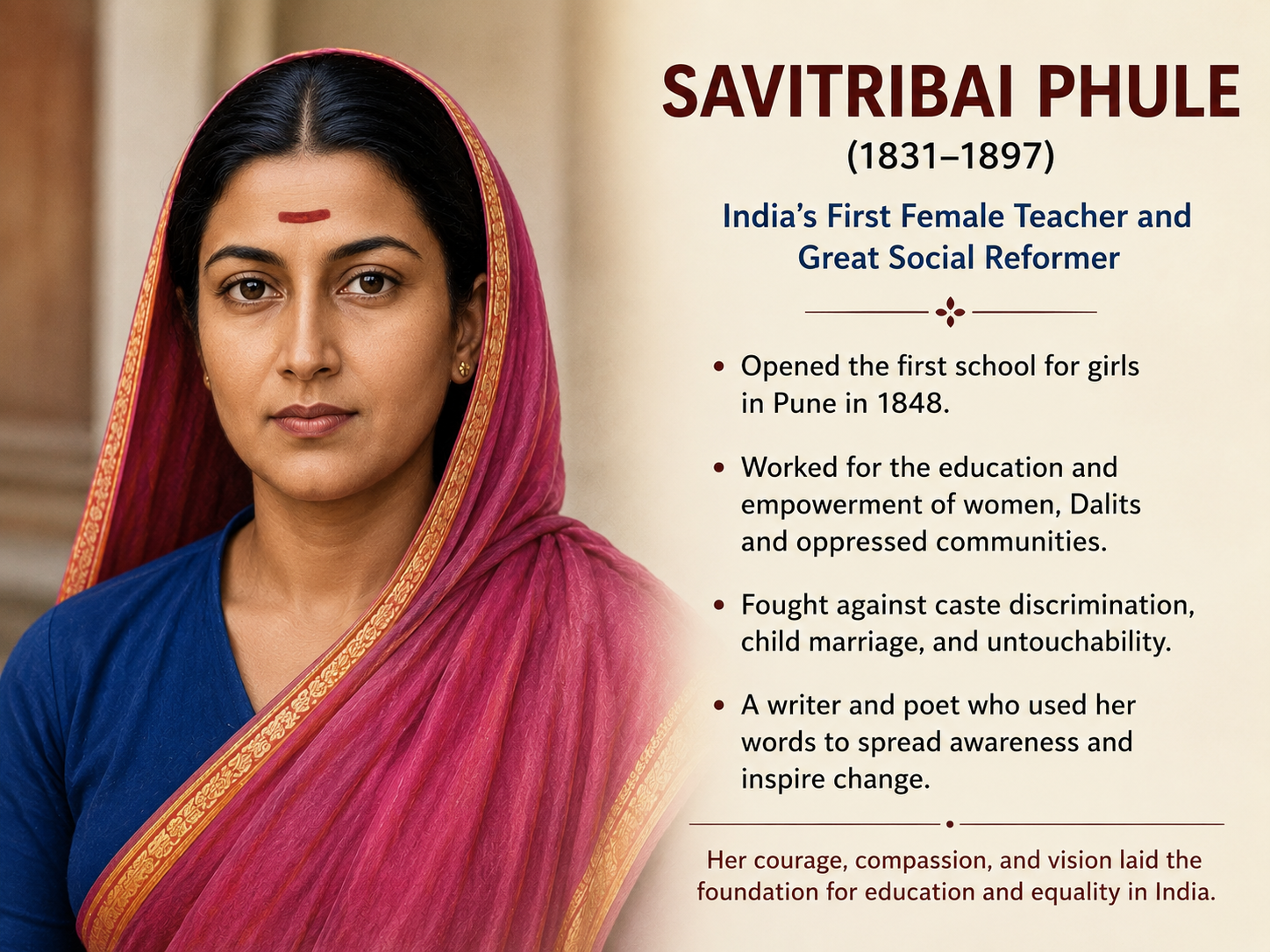
Savitribai Phule
43 January 1831 — 10 March 1897

Krantijyoti

Savitribai Phule

India's First Woman Teacher · Poet · Champion of Women's Education

"Awake, arise and educate. Smash traditions, liberate."

Savitribai Phule was India's first woman teacher and a fearless social reformer. Alongside her husband Mahatma Jyotirao Phule, she opened the first school for girls in Pune in 1848 and went on to start seventeen more schools, for girls, for the most marginalised, and for the children whom society had forgotten.

She faced stones, dung and abuse on her daily walk to the school, yet she carried a second sari with her, changed when she arrived, and taught with a smile. A poet, nurse and tireless campaigner against caste injustice, Savitribai is the foremother of every educated woman in India today, and a guiding light for the Ambedkarite tradition we carry forward.

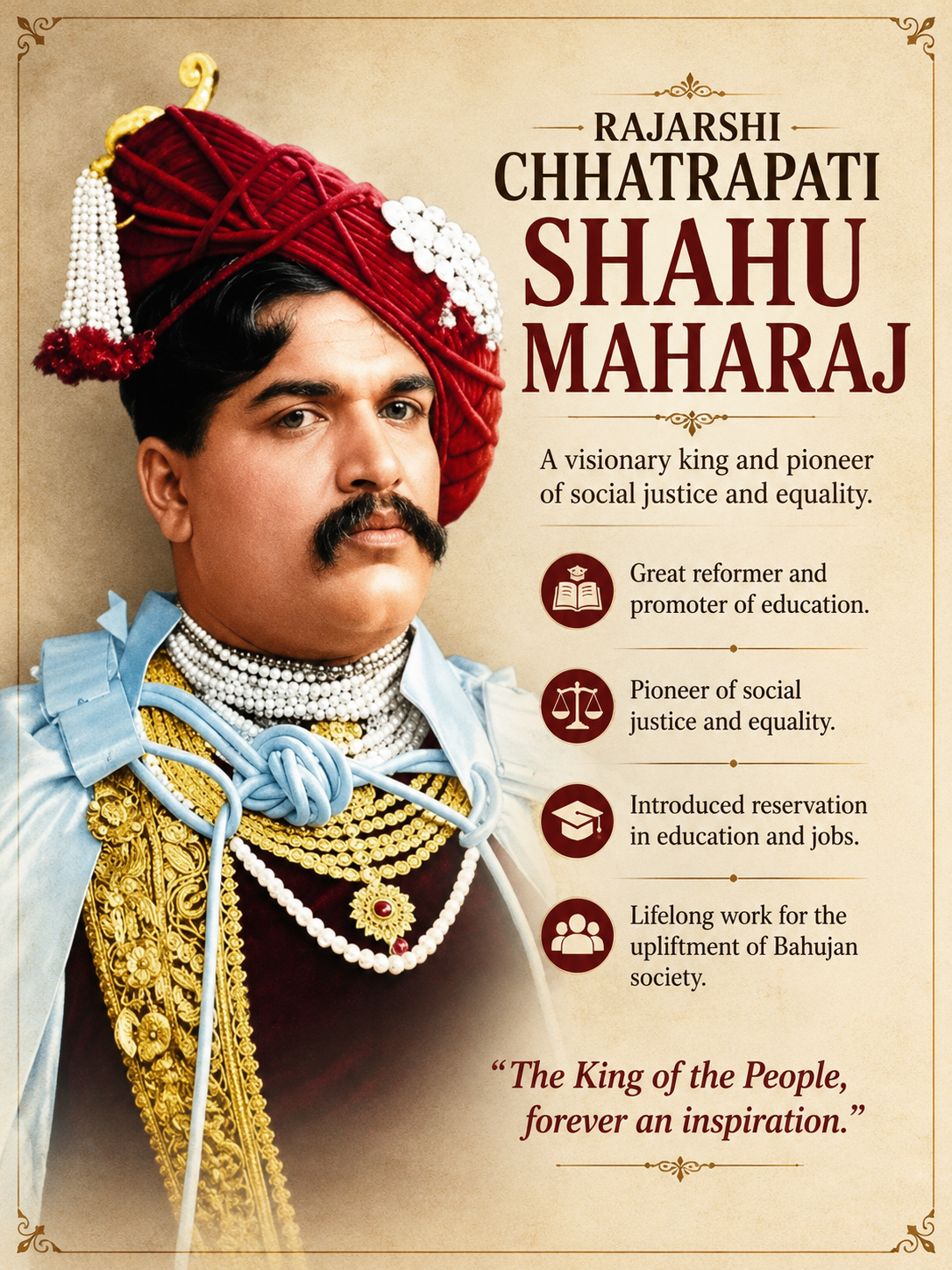
Rajarshi Chhatrapati Shahu Maharaj
526 June 1874 — 6 May 1922

Rajarshi

Rajarshi Chhatrapati Shahu Maharaj

King of Kolhapur · Pioneer of Reservation · Champion of the Bahujan Samaj

"The King of the People, forever an inspiration."

Chhatrapati Shahu Maharaj of Kolhapur was a visionary king and one of the earliest royal patrons of social justice in modern India. Crowned in 1894, he turned the Kolhapur state into a laboratory of progressive reform: introducing 50% reservation in education and government jobs for non-Brahmin and so-called depressed classes as early as 26 July 1902 — half a century before independent India would consider the same idea.

He opened hostels and schools for every community he could reach, abolished discriminatory bonded-labour practices, banned untouchability in state institutions, and personally funded the higher education of the young Bhimrao Ambedkar, the boy who would become Babasaheb. He met Babasaheb on more than one occasion and famously declared him the future leader of India's untouchables. Without Shahu Maharaj's foresight, generosity and political courage, the Ambedkarite movement might never have had the air it needed to breathe.

Known to his subjects as Rajarshi, the king who is also a sage, Shahu Maharaj remains one of the foremost reformers of the Bahujan tradition: a king who used his throne not to defend privilege, but to dismantle it.

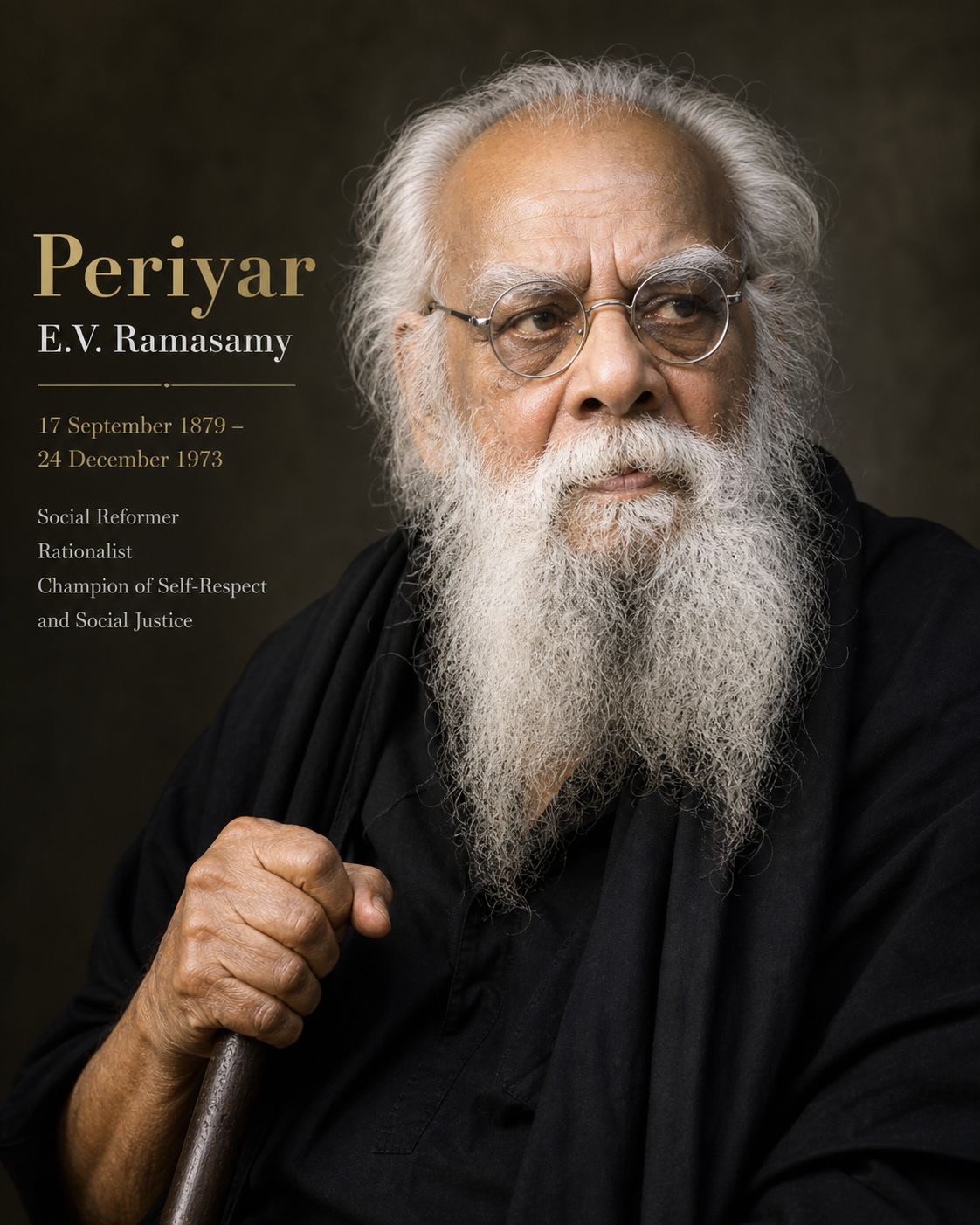
Periyar E.V. Ramasamy
617 September 1879 — 24 December 1973

Thanthai Periyar

Periyar E.V. Ramasamy

Social Reformer · Rationalist · Champion of Self-Respect & Social Justice

"We must aim at a society where every individual is treated with equality, dignity and self-respect."

Erode Venkatappa Ramasamy, known as Periyar, was a towering Tamil social reformer, rationalist and the founder of the Self-Respect Movement and Dravidar Kazhagam.

Throughout his long life, Periyar fought relentlessly against caste discrimination, gender inequality and religious orthodoxy. His insistence on rationalism, dignity and equality for all, regardless of caste, creed or gender, remains a foundational pillar of the Ambedkarite tradition we carry forward.

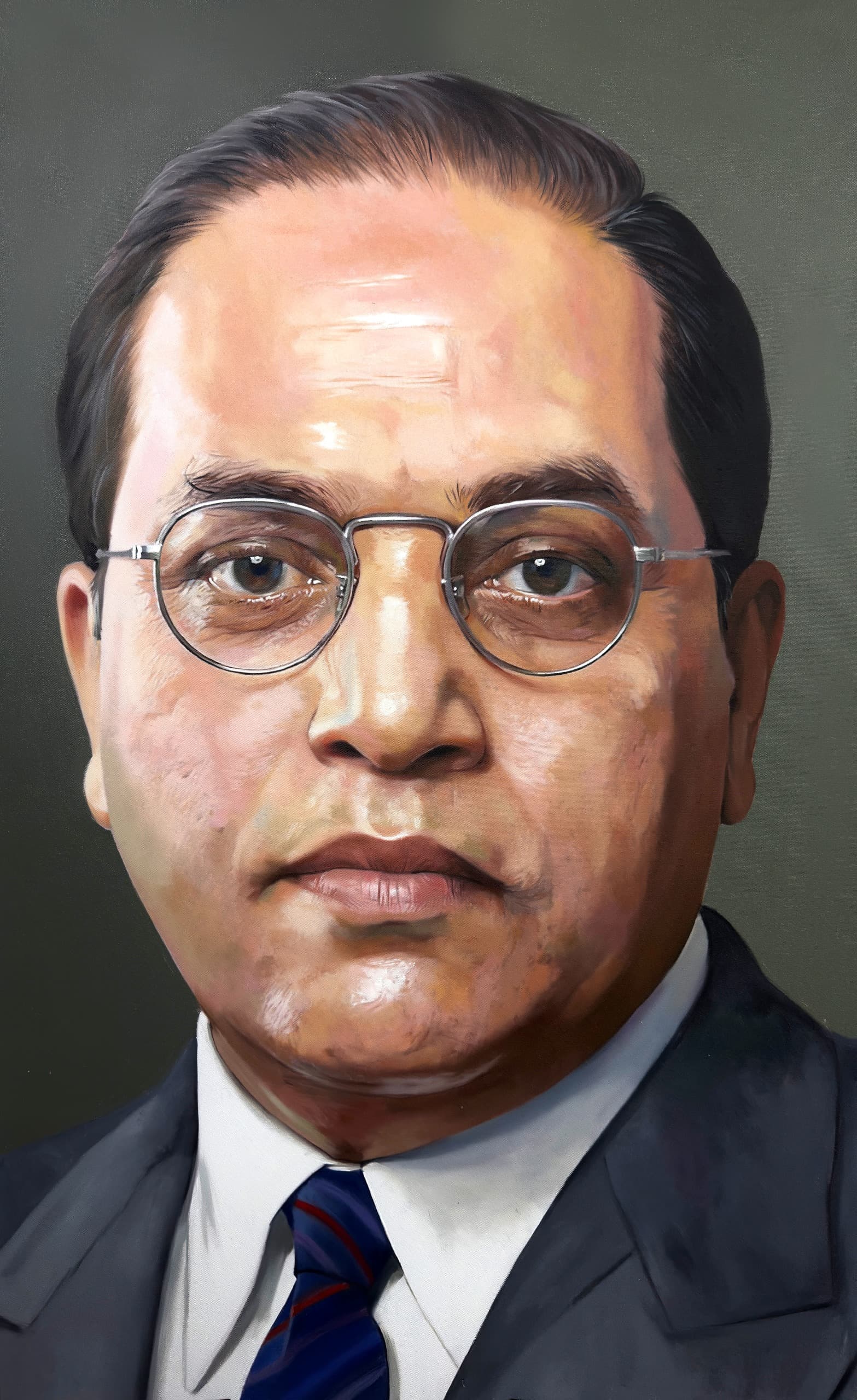
Babasaheb Dr. B.R. Ambedkar
714 April 1891 — 6 December 1956

Babasaheb

Dr. B.R. Ambedkar

Father of the Indian Constitution · Champion of Equality

"I measure the progress of a community by the degree of progress which women have achieved."

A jurist, economist, social reformer and political leader, Dr. Bhimrao Ramji Ambedkar chaired the Drafting Committee of the Indian Constitution. Educated in Bombay, New York (Columbia) and London (LSE), he dedicated his life to the abolition of untouchability and the empowerment of the oppressed.

On 14 October 1956, he embraced Buddhism with over 500,000 of his followers at Deekshabhoomi, Nagpur, a moment that transformed the modern Buddhist revival. His ideals of liberty, equality and fraternity form the spiritual and civic foundation of ABGN-UK.

Mata Ramabai Ambedkar
87 February 1898 — 27 May 1935

Mata

Mata Ramabai Ambedkar

Devoted Companion · Quiet Strength Behind Babasaheb's Mission

"A home filled with sacrifice and learning is the cradle of a nation's awakening."

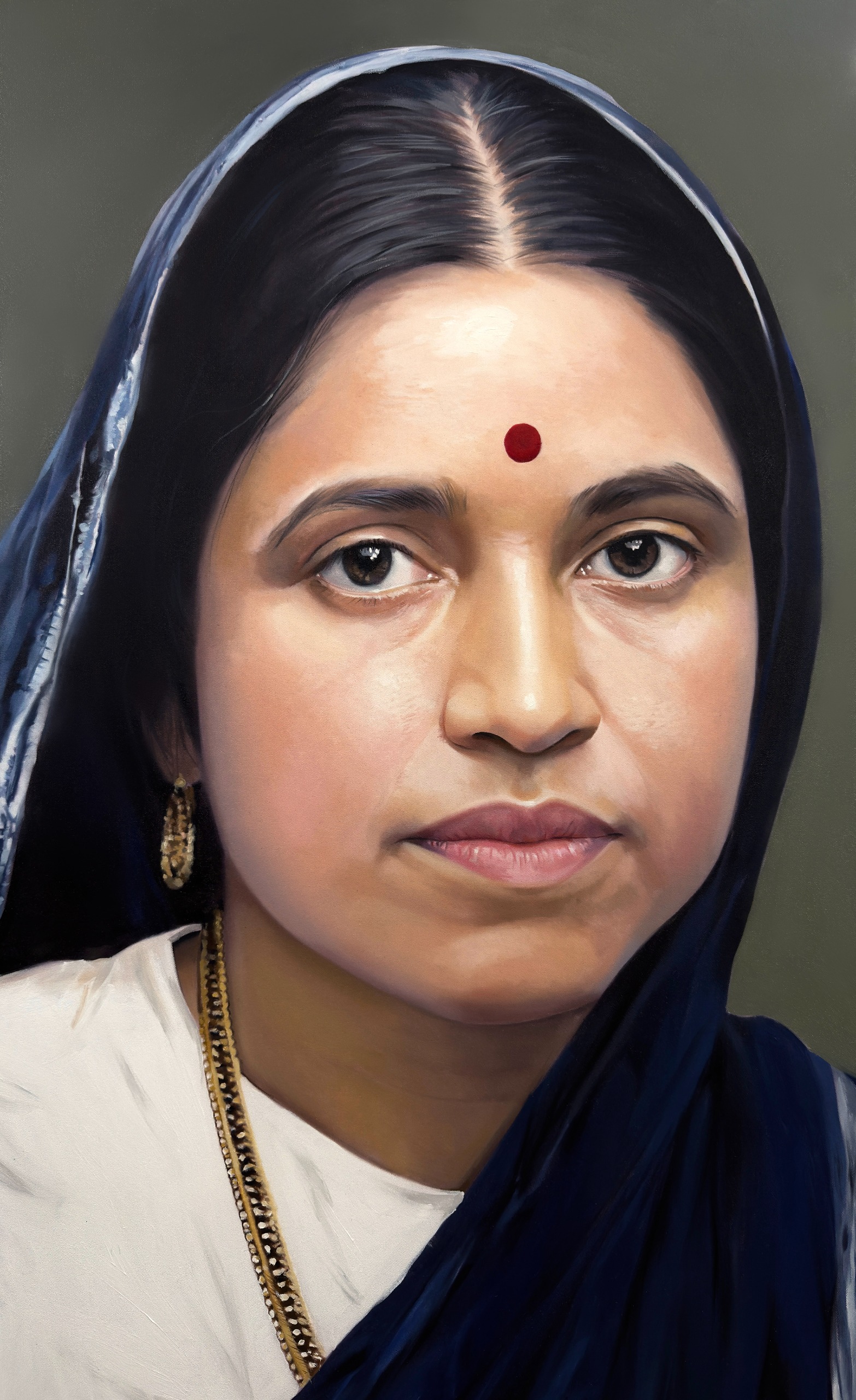
Mata Ramabai Ambedkar, affectionately known as Ramai, was the first wife and lifelong companion of Babasaheb Dr. B.R. Ambedkar. Born in a humble fisherfolk family in the Konkan, she shouldered the family's hardships with extraordinary patience while Babasaheb pursued his studies abroad in New York and London.

She raised their children, ran the household on the slenderest of means, and stood unshaken through poverty, the loss of four young children, and years of separation. Her quiet, sacrificial strength gave Babasaheb the foundation from which a movement was born. Every Ambedkarite household honours her memory as the silent half of a revolution, the mother who carried the cradle of our awakening.

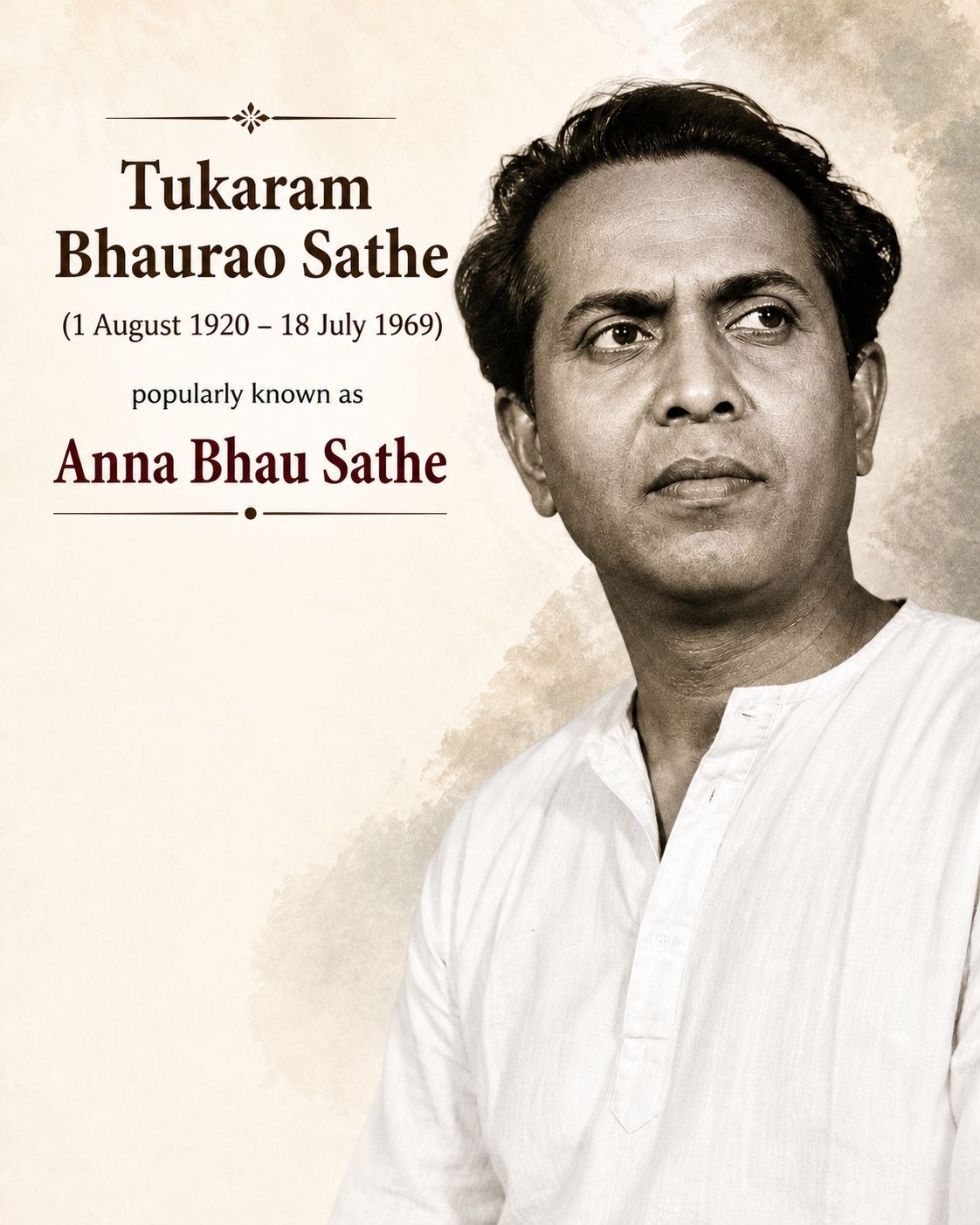
Anna Bhau Sathe
91 August 1920 — 18 July 1969

Lokshahir

Anna Bhau Sathe

People's Poet · Novelist · Social Revolutionary

"This earth is not balanced on the hood of a serpent, it is held up by the labour of the working class."

Tukaram Bhaurao Sathe, popularly known as Anna Bhau Sathe, was a Marathi novelist, balladeer (shahir) and social activist whose writings gave voice to the struggles of workers, farmers and the Dalit community.

Author of 35 novels and hundreds of powadas and lavanis, his fearless storytelling and lifelong commitment to the oppressed make him one of the most cherished voices of the Ambedkarite cultural renaissance.

In their footsteps

We carry the torch they lit, across the UK, for the generations to come.

Jai Bhim · Namo Buddhāya