Ambedkarite Buddhist Educational Series, UK Edition
Junior Programme · Ages 7–11
Why was Babasaheb so determined to learn?
Unit 3 · Compassion in Action
Education · Equality · Enlightenment
Junior Programme · Ages 7–11
Unit 3 · Compassion in Action
Education · Equality · Enlightenment
By the end of this lesson, pupils will be able to:
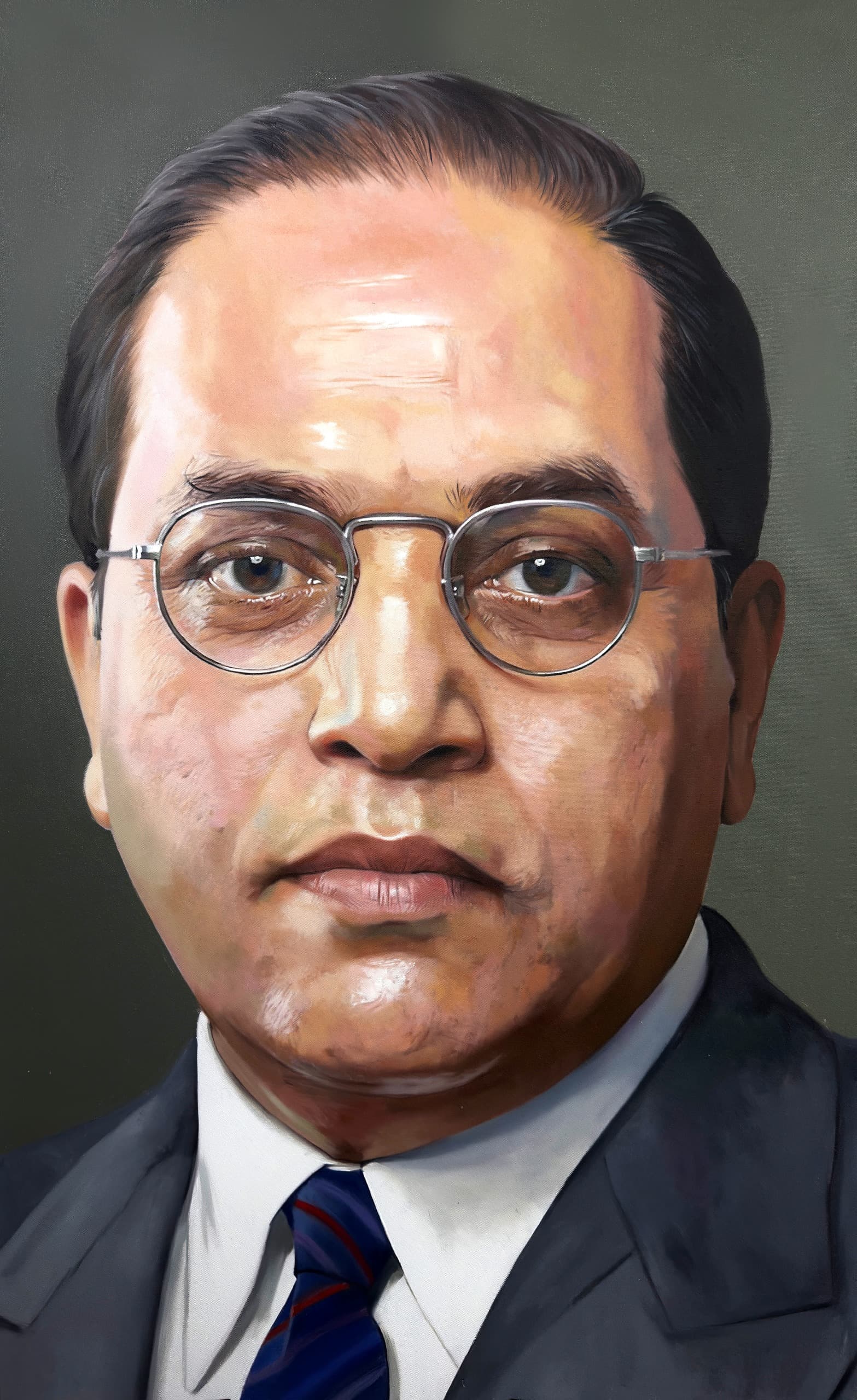
When Bhimrao was a small boy in India, he loved reading more than anything. He would walk for hours just to find a new book. But because of an unfair rule called the caste system, his school did not want him to sit on the same bench as the other children.
On hot days, when the other children were given water from the school tap, Bhimrao was not allowed to drink. The school caretaker would not pour water into his cup. Bhimrao went home thirsty, but he never gave up on learning. He kept his head high, held his books tight, and promised himself: "I will study so well, that one day I will write the rules of this country, so no other child will ever feel this way."
And he did. When India became free, Bhimrao, now called Babasaheb Dr. B.R. Ambedkar— was chosen to write India's Constitution. The very first words he made sure it said? That every child, of every group, is equal.
Dignity means the value every person has, simply because they are a person. You don't have to earn dignity. You don't have to be rich, fast, clever or older. You have dignity from the moment you are born.
Equality means treating everyone with the same care and giving them the same chances. It does not mean everyone is the same, we are all different!, it means nobody should be left out, looked down on, or refused something fair just because of who they are, where they were born, what their family does, or what they look like.
Britain has its own way of protecting dignity and equality. The law in this country says it is wrong to treat someone unfairly because of:
Schools are special places where dignity matters every single day. That is why school uniforms, pupil voice, anti-bullying rules, and the role of the School Council all exist — so every child is heard and respected.
A 25-minute group activity for pairs or table groups.
Choose one question to answer in your journal, or talk about with a grown-up at home.
Teacher Edition only
The story touches on discrimination. Frame it as historical injustice that the law of both India and Britain now protects against. Be mindful of pupils with lived experience of prejudice, invite, but never require, personal sharing. Follow your school's wellbeing and safeguarding procedures if disclosure occurs.
This chapter promotes values of mutual respect, fairness and human dignity, and supports pupils' wider spiritual, moral, social and cultural development. No proselytising. No religious conversion messaging. Multi-faith respect modelled throughout.
Sample chapter · Phase 1 prototype
The complete Ambedkarite Buddhist Educational Series, UK Edition will cover ages 4 to 16, with a Student Book, a Workbook and a Teacher Guide for each age group. Every chapter follows this same seven-step structure.
Express interest for your school →We use essential cookies to keep you signed in and a small amount of browser storage to remember your language and meditation streaks. We do not use advertising or third-party tracking cookies. See our Privacy notice for full details.